

Build the Last Mile Delivery App Your Market Is Waiting For
Whether you're launching a delivery platform, building in-house delivery capability, or replacing a third-party courier dependency — we engineer custom last mile delivery apps with real-time GPS tracking, AI-powered route optimisation, driver apps, customer notifications, and the operational backbone to scale from your first delivery to your ten-thousandth.
Trusted by Global Enterprises


What we build
What we build into your last mile delivery app
Every feature engineered to reduce cost per delivery, increase on-time performance, and give your customers a delivery experience your brand owns — not a third-party platform's.
Customer-Facing Delivery App
Branded iOS and Android apps with live driver tracking, real-time ETAs, push notifications, contactless delivery, in-app chat, and post-delivery ratings — built around your brand identity, not a white-label template.
iOS & Android · Live Tracking · Branded Experience · In-app Communication
Driver App Development
Purpose-built driver apps with job assignment, multi-stop navigation, digital proof of delivery, barcode scanning, failed delivery workflows, in-app dispatch communication, and offline sync for low-connectivity routes.
Job Management · Turn-by-Turn Navigation · Digital POD · Offline-First
Dispatcher & Operations Dashboard
Real-time web dashboard with live fleet map, drag-and-drop job assignment, exception alerting, driver availability management, bulk job import, auto-assignment rules, and end-of-day performance reporting.
Live Fleet Map · Drag-and-drop Dispatch · Exception Alerts · Bulk Assignment
AI-Powered Route Optimisation
Multi-stop route optimisation engine factoring delivery time windows, vehicle capacity, real-time traffic, driver availability, and priority rules — auto-generating optimised routes per shift and dynamically re-routing when conditions change. Also integral to TMS and dispatch workflows.
Multi-stop Optimisation · Time Windows · Dynamic Re-routing · Capacity Planning
Real-Time GPS Tracking
Live driver location updates every 10–30 seconds, geofence triggers for depot departure and customer site arrival, dynamic ETA recalculations, and fallback positioning for low-signal environments — visible on both the customer app and operations dashboard.
Live Location · Geofencing · Dynamic ETAs · Fallback Positioning
Proof of Delivery & Compliance
Digital POD workflows with photo capture, e-signature collection, barcode and QR scanning, GPS-stamped delivery confirmation, recipient name capture, and compliance verification steps for age-restricted, pharmaceutical, or high-value deliveries. Core to logistics app development.
Photo POD · E-signature · GPS Stamp · Barcode Scanning · Compliance Checks
Automated Customer Notifications
Automated delivery status notifications across push, SMS, and email — order confirmed, driver assigned, en route, arriving, delivered, and failed delivery with rescheduling — branded to your identity at every touchpoint. Complements e-commerce order flows.
Push · SMS · Email · Branded Templates · Automated Triggers
Delivery Zone & Pricing Management
Configurable delivery zone mapping with polygon-based geographic boundaries, zone-specific pricing rules, surge pricing logic, delivery time slot management, cut-off time enforcement, and postcode-level coverage control.
Zone Mapping · Dynamic Pricing · Time Slot Management · Coverage Control
Fleet & Driver Management
Fleet & driver onboarding workflows, document and licence verification, vehicle assignment, shift scheduling, performance scorecards, earnings and payout management for gig-model operations, and driver rating systems — all managed from the operations dashboard.
Driver Onboarding · Shift Scheduling · Performance Scoring · Payout Management
Failed Delivery & Returns Management
Automated failed delivery workflows with customer rescheduling, safe drop options, neighbour delivery rules, return-to-depot triggers, and re-delivery job creation — reducing the operational cost of managing failed attempts without manual dispatcher intervention. Integrates with e-commerce returns and supply chain reverse logistics.
Failed Delivery Workflows · Customer Rescheduling · Safe Drop · Return Management
Analytics, Reporting & Business Intelligence
Delivery performance dashboards covering on-time rates, cost per delivery, driver utilisation, zone-level performance, customer satisfaction scores, failed delivery rates, and fuel consumption — with scheduled reports and direct BI and analytics integration for operational and executive reporting.
On-time Analytics · Cost per Delivery · Driver Utilisation · BI Integration
Industries
Last mile delivery app development for every industry
A restaurant delivery app and a pharmaceutical courier app are both last mile delivery — but they need completely different logic, compliance workflows, and customer experiences. We build for the specifics of your industry, not a generic delivery template.
High order volumes, customer delivery expectations set by Amazon, and margin pressure from third-party courier fees make custom last mile delivery apps a competitive necessity for growing e-commerce businesses. We build delivery platforms with automated order ingestion from Shopify, Magento, and WooCommerce, intelligent fulfilment routing across multiple warehouses, real-time customer tracking, dynamic ETAs, and returns management — giving e-commerce operators full ownership of the delivery experience without paying per-delivery commission to platforms that own your customer relationship.
Technology stack
The stack behind every delivery app we build
Last mile delivery apps live or die on real-time performance — every technology decision is driven by one standard: does it perform under the load, speed, and reliability demands that last mile delivery operations actually generate.
Mobile Frontend
High-performance, driver-first mobile applications built for reliability and real-time use.
Why Tvareet
Why businesses choose Tvareet to build their last mile delivery app
Building a delivery app is not the same as building any other mobile application. Real-time GPS at scale, dynamic routing under live traffic, offline driver apps, and notification infrastructure that fires at exactly the right moment — these are problems general app agencies encounter for the first time on your project. We have already solved them.
We Have Built Delivery Apps — Not Just Apps
We have engineered solutions to the failure modes that only appear in production delivery environments — GPS degradation in urban canyons, route optimisation timing out under high order volumes, offline sync corrupting job data on reconnect, and notification pipelines failing at peak load. You are not our first delivery app project.
Delivery-specific engineering. Not general mobile development.
Real-Time Performance Designed In — Not Tested In
We design for real-time performance at the architecture phase — WebSocket GPS streams, Redis fleet data caching, sub-two-second notification pipelines, and auto-scaling infrastructure for order volume spikes. Performance is an architectural decision. Not a post-launch discovery.
Architecture-level performance. Built for peak load from day one.
Driver App, Customer App and Dashboard — Built as One System
We build all three as a single connected platform sharing a unified real-time data layer — so the customer's tracking view, the driver's job status, and the dispatcher's fleet map are always in perfect sync. Not three separate mobile projects patched together through an API.
Unified data layer. Three apps. Always in sync.
Offline-First Driver App — Non-Negotiable
Every driver app we build queues jobs locally, continues navigation, captures proof of delivery, and reconciles automatically when connectivity returns. Your drivers complete deliveries in tunnels, basements, and rural routes without losing a single data point. Critical for fleet and driver operations.
Offline job management. Offline POD. Automatic sync on reconnect.
Route Optimisation Built for Your Delivery Model
We build routing engines around your specific rules — time windows, vehicle capacity, driver availability, priority logic, and dynamic re-routing when new orders land mid-shift. Not a generic API that treats every delivery operation as identical. Integrates with TMS and dispatch workflows where needed.
Custom routing logic. Your rules. Your vehicle constraints.
Notification Infrastructure That Actually Delivers
Sub-two-second multi-channel notification delivery across push, SMS, and email — with deduplication logic preventing double sends, fallback channel routing when push fails, and delivery confirmation tracking on every notification sent.
Sub-2 second delivery. Multi-channel fallback. Zero duplicate sends.
Post-Launch Support From the Team That Built It
Named engineering support with agreed production SLAs, continuous performance monitoring, and an ongoing development retainer — from the same engineers who built your platform, not a support desk reading documentation about it for the first time. The same approach we bring to supply chain and logistics platform support.
Named engineering support. Production SLAs. Same team post-launch.
Case studies
Our work speaks for itself
Explore how we've transformed businesses with cutting-edge technology and design-led engineering.
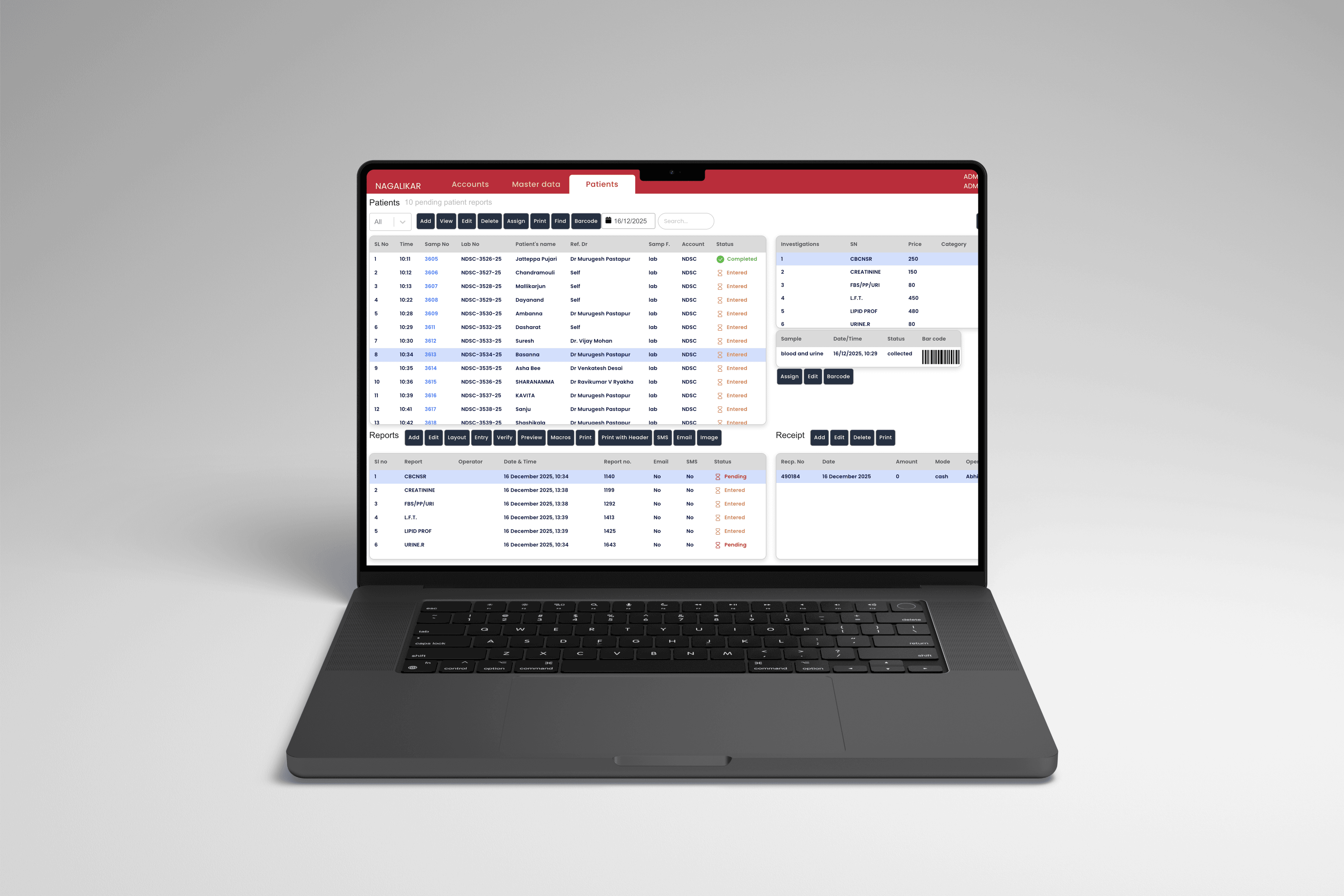
Nagalikar Diagnostic
A fully automated diagnostic center management system integrating Beckman Coulter & Siemens analyzers directly with the cloud. Reduced report turnaround time by 60% and achieved zero manual errors.
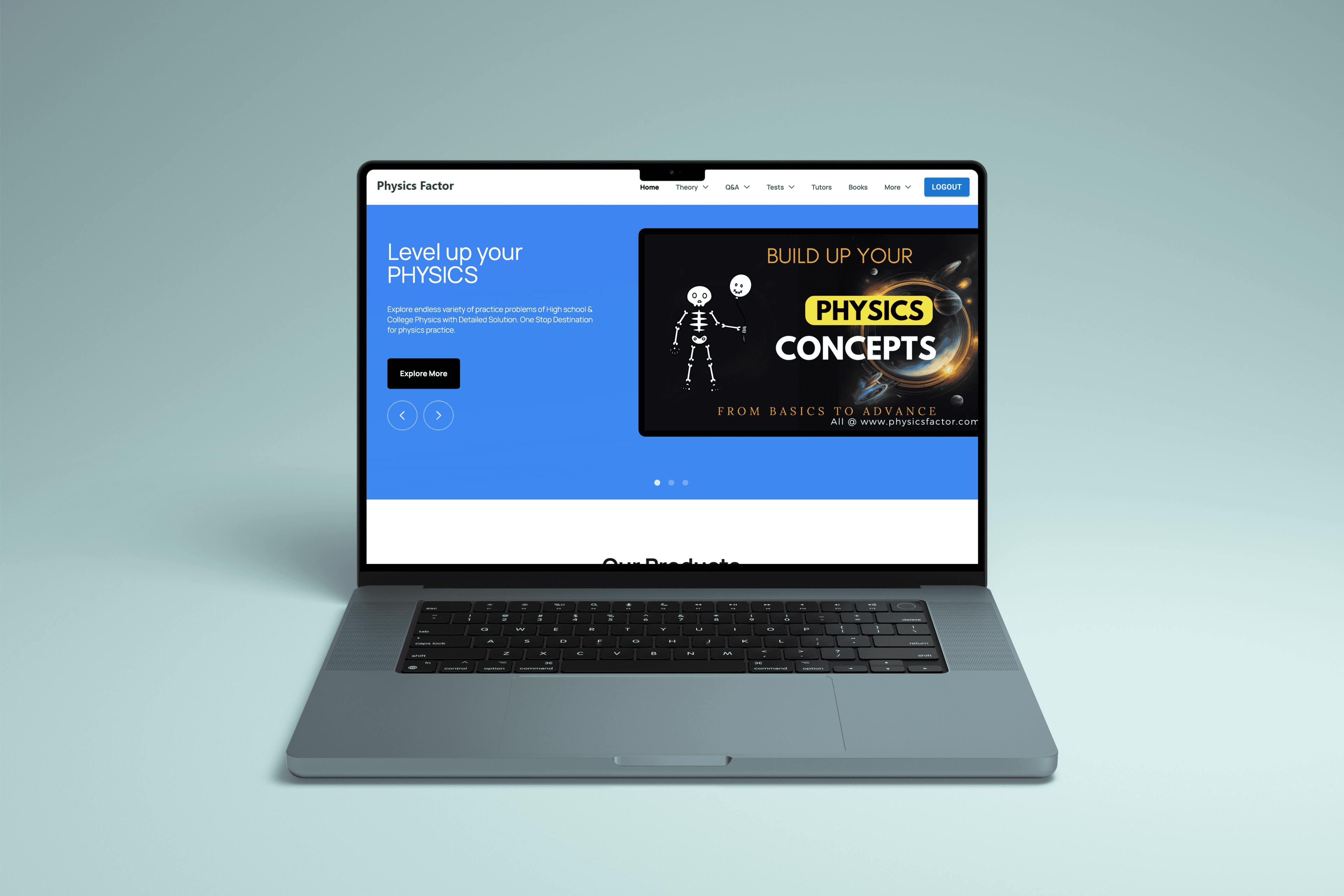
Physics Factor
A comprehensive learning ecosystem with 10,000+ students. Features real-time assessments, analytics, and interactive video lectures. Built to handle high concurrency with 99.9% uptime.
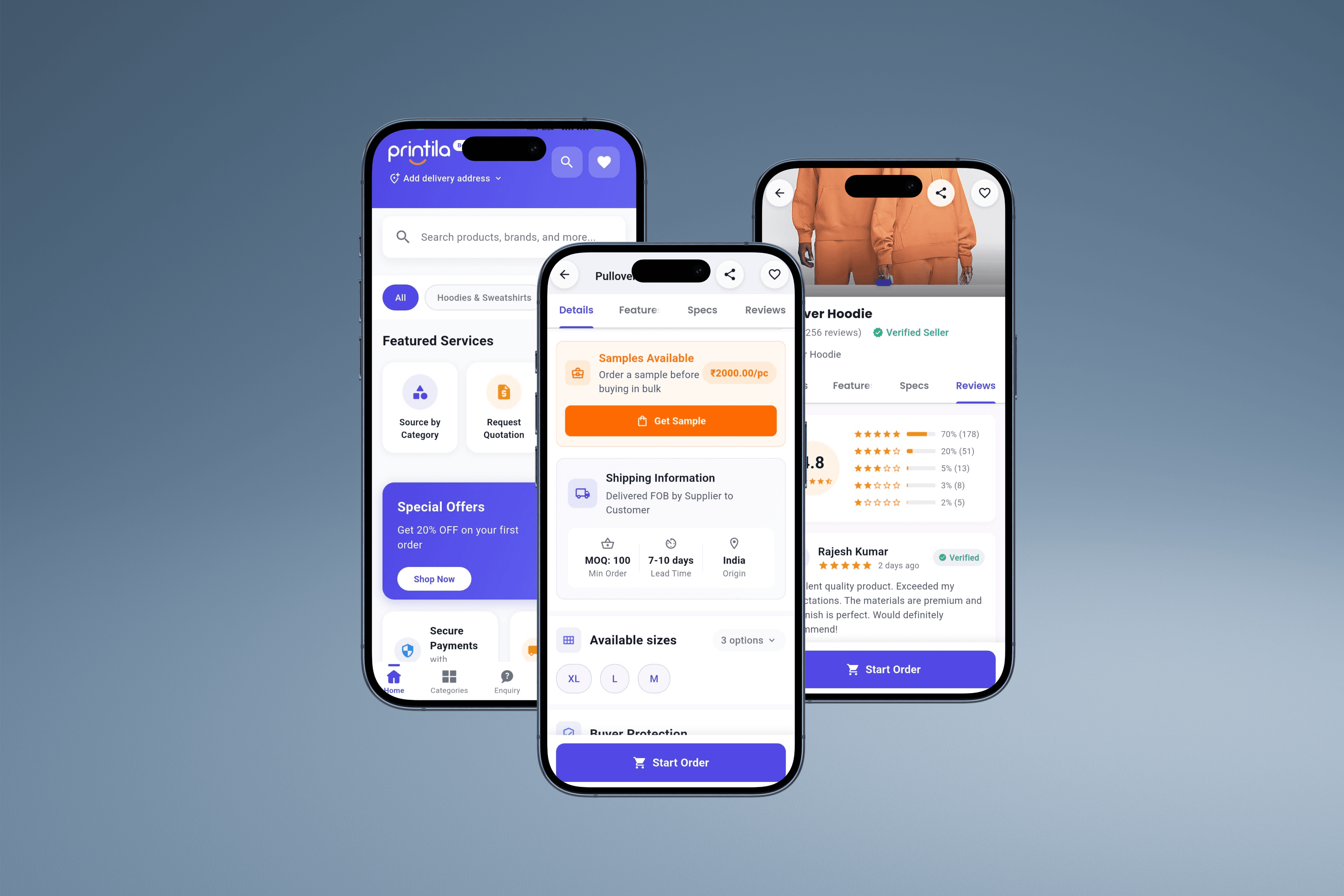
Printila
A custom merchandise platform with a powerful real-time product designer. Streamlined vendor management and order processing, boosting operational efficiency by 50%.
Our process
How we build your last mile delivery app
From first brief to first delivery — every phase designed to eliminate the surprises that derail delivery app projects and delay the launch date your operation is counting on.
Phase 01 — Discovery & Scope
We map your delivery model in detail — order sources, driver types, delivery zones, vehicle constraints, compliance requirements, and every integration your platform needs to connect to. Output is a fixed scope, fixed price, and phased delivery roadmap before development begins.
Phase 02 — Architecture & Technical Design
We design the complete technical architecture before writing a line of code — real-time data layer, offline sync strategy, routing engine design, notification pipeline, API architecture, and infrastructure scaling model. Every technical decision documented and approved upfront.
Phase 03 — UI/UX Design & Prototyping
Interactive prototypes built for all three interfaces — customer app, driver app, and operations dashboard — validated by your operations team before development begins. Workflow gaps caught in design cost hours. Caught in development they cost weeks.
Phase 04 — Core App Development
Development runs in two-week sprints with a working, testable build at the end of every cycle. Customer app, driver app, and operations dashboard built in parallel on a shared real-time data layer — with staging access from sprint one so your team reviews working software throughout.
Phase 05 — Integrations & Third-Party Connections
Every integration scoped in Phase 02 is built and validated against live data — order management system connections, ERP and accounting integrations, mapping and routing API configuration, payment gateway integration, SMS and push notification provider setup, and carrier API connections.
Phase 06 — Testing, UAT & Device Testing
Functional testing across every delivery workflow. Performance testing under realistic delivery volumes — simulating peak trading periods, simultaneous GPS streams, and concurrent notification sends. Device testing across iOS and Android on real hardware. Role-specific UAT with your operations team, drivers, and customer-facing stakeholders.
Phase 07 — App Store Submission & Go-Live
We manage the full Apple App Store and Google Play submission process — app store listing optimisation, screenshot and preview assets, compliance documentation, review response management, and staged rollout configuration. Backend infrastructure is provisioned, load tested, and monitored before the first real delivery hits the platform.
Phase 08 — Hypercare & Ongoing Development
Four-week hypercare with named engineering support and agreed production SLAs covering the critical post-launch period — your first peak trading event, first driver onboarding wave, and first real-volume test of the platform's real-time performance. After hypercare, ongoing development retainer for feature iterations, new integrations, and platform scaling.
Ready to optimize
Ready to optimize your final mile? Let's talk.
Book a free 60-minute strategy session with our logistics tech and AI experts.
Related Blogs

Custom Logistics Software Development for Supply Chain Businesses (USA, UK, UAE, Canada, Australia)
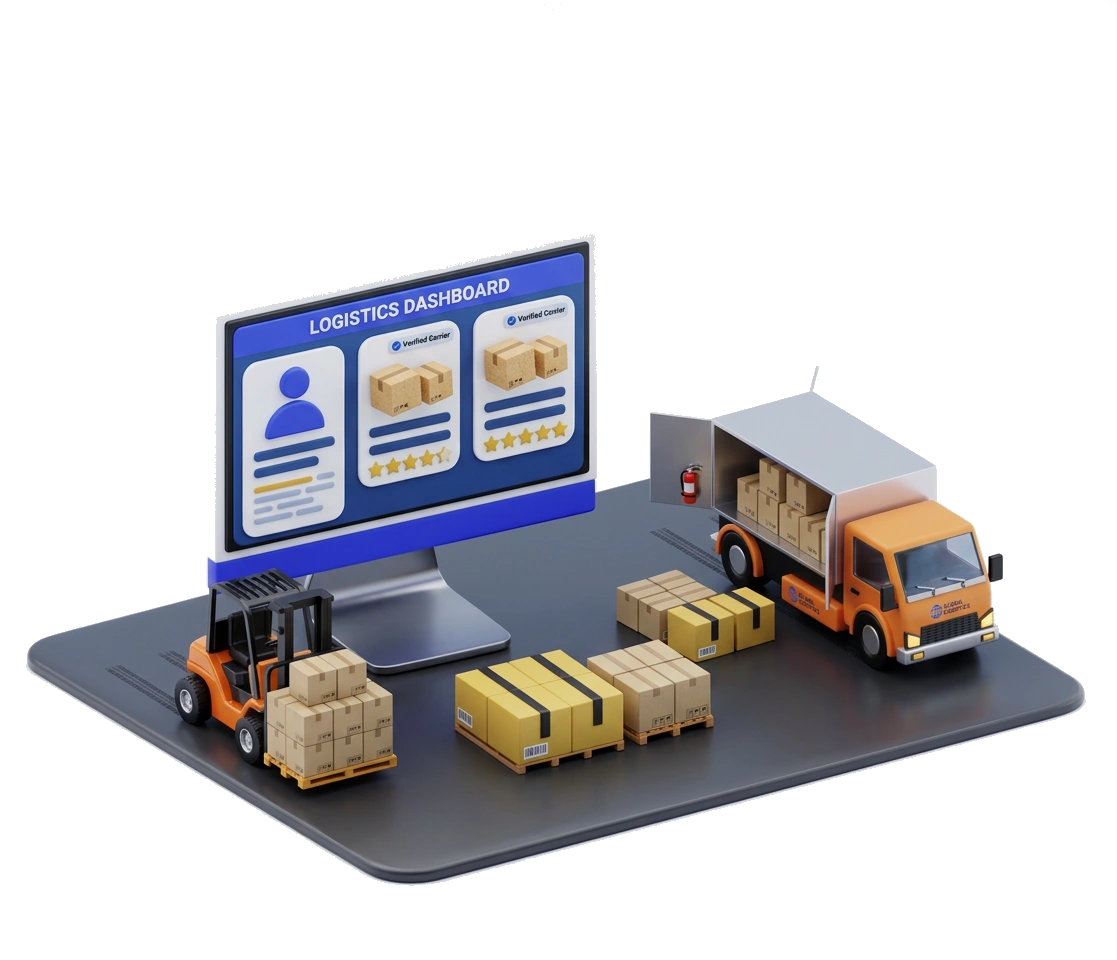
Transport Management Software for Australian Logistics Companies: The 2026 Complete Guide
How Much Does It Cost to Develop a Logistics App Like Uber Freight? (2026 Complete Guide)
Frequently asked
Last mile delivery app development questions
Straight answers to the questions founders, operations managers, and technology leads ask before building a custom last mile delivery app.