
Custom Dispatch Software Development for Faster, Smarter Operations
Replace spreadsheets, phone calls, and disconnected dispatch tools with software built around the way your transportation business operates.
Is Dispatch Still Running Through Calls, Messages and Spreadsheets?
Many transportation companies still coordinate daily operations across spreadsheets, phone calls, text messages, email, GPS platforms and separate load-management tools. None of those tools were built around how your dispatchers actually assign work.
As the number of drivers, vehicles and jobs increases, dispatch becomes harder to manage and mistakes become more expensive. The same friction shows up in our TMS software and trucking software builds: the work is happening, but the system of record is scattered.
Custom dispatch software gives your team one place to plan, assign, monitor and complete every job — loads, drivers, vehicles, schedules, tracking, documents, and alerts in one workflow instead of six disconnected ones.
That usually means connecting the GPS or ELD systems you already use where the APIs allow, adding a driver app when the road team needs one, and linking fleet management so assignment, tracking, and delivery proof share the same data.
$2K
Starting custom dispatch software
10–14 wks
Typical focused MVP timeline
You own it
Source code after final payment
8+
Logistics integrations where APIs allow
Samsara
Motive
Geotab
WEX
Built around how you dispatch today.
Discuss Your Dispatch Software ProjectWhy custom
Dispatch Software Built Around Your Workflow
Every transportation business dispatches differently. Some assign drivers manually. Some rotate vehicles. Some manage multi-stop routes. Others need trailer assignments, customer-specific pricing, recurring jobs or approval workflows.
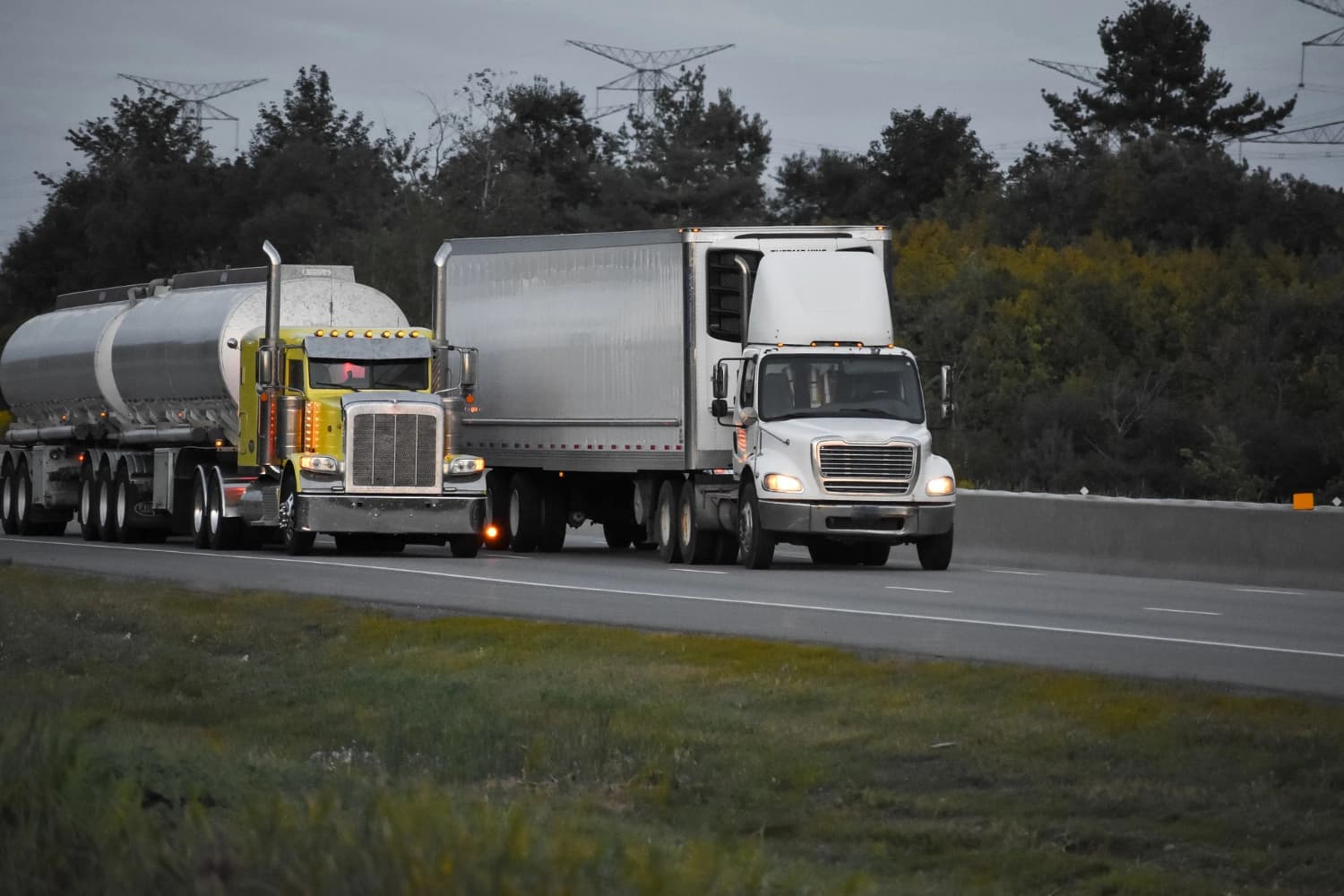
Instead of forcing your team into a fixed process, we build dispatch software around the way your operation actually works — with driver apps and load tracking connected in one platform.
Faster Assignments
Give dispatchers visibility into available drivers, trucks, trailers and upcoming jobs.
Fewer Manual Updates
Reduce repetitive calls, spreadsheet updates and manual status tracking.
Real-Time Visibility
Know what's assigned, what's delayed, what's in transit and what still needs attention.
Connected Operations
Connect dispatch with drivers, GPS, documents, customers and billing where APIs allow.
What we build
Everything Your Dispatch Team Needs in One Place
Load management, dispatch boards, driver and vehicle assignment, tracking, documents, alerts and reporting — built around the workflows your team already runs, rather than forcing those workflows into a generic product.

Every dispatcher works a little differently
Show us how loads are created, assigned and closed today, and we'll design the board around that process.
Get a ConsultationCreate, edit and manage loads, jobs, stops, schedules, customer details, instructions and documents.
Ready to run dispatch from one board?
Let's build dispatch software around your loads, drivers, and assignments — instead of stretching your team across spreadsheets, calls, and generic tools.
Discuss Your Dispatch Software Project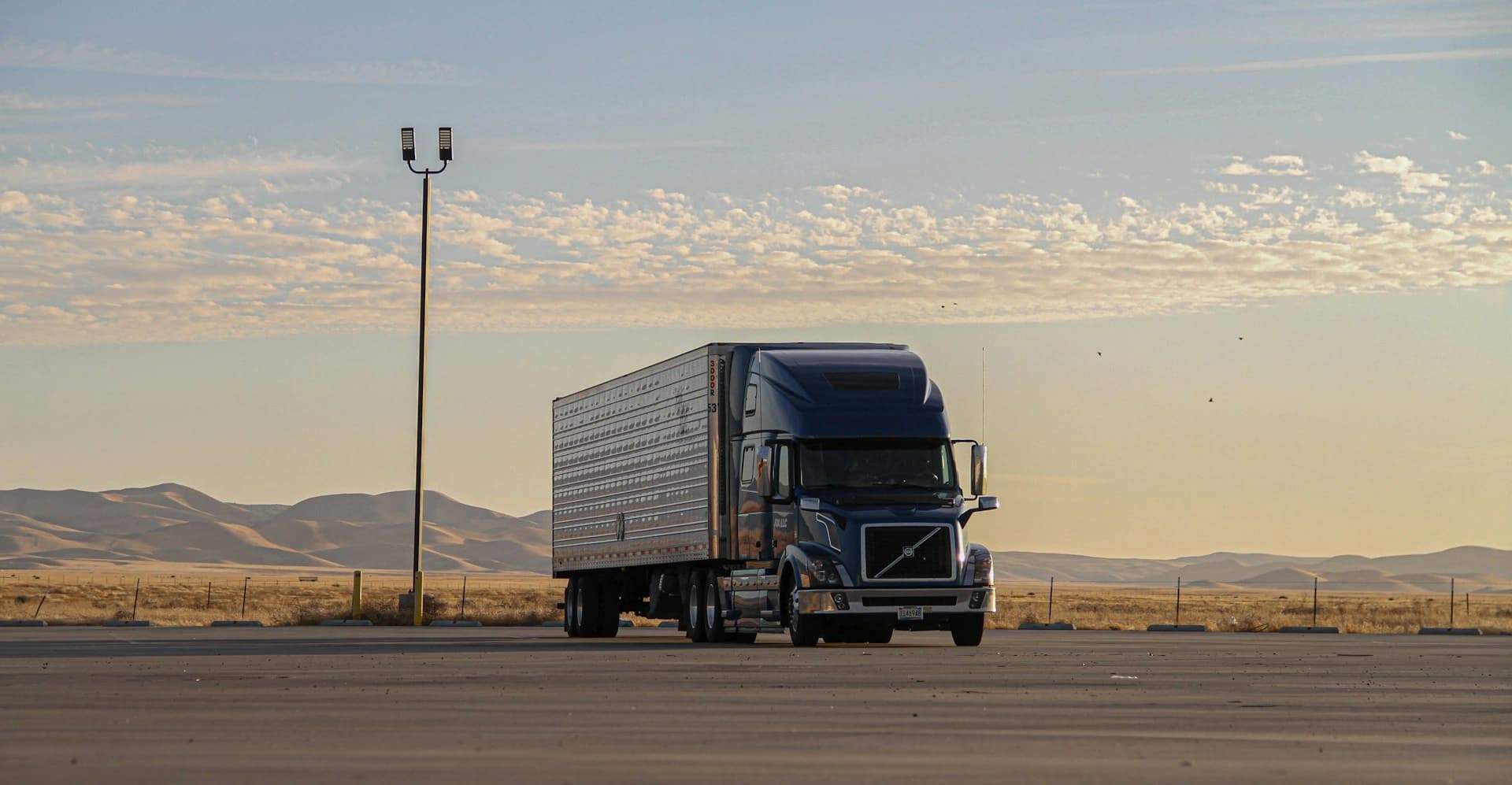
Dispatch board
See every load on one dispatch board
Unassigned, assigned, in-transit, and delayed jobs sit on one screen — with the driver, truck, and next action attached to each load.
Unassigned
1Load #4201
Dallas → Houston
Pickup 10:30 AM
53' Dry Van
Assigned
1Load #4202
Chicago → Detroit
Driver: John Miller
Truck: 118
In Transit
1Load #4194
Atlanta → Orlando
Driver: Sarah Lee
ETA: 3:42 PM
Delayed
1Load #4188
Houston → Dallas
Delay: 47 minutes
Needs dispatcher action
End-to-end workflow
From Dispatch to Delivery — Connected in One System
Drivers, dispatchers, customers and management work from the same operational data instead of updating multiple systems manually.
- 01Load Created
- 02Driver + Truck Assigned
- 03Driver Receives Job
- 04Pickup
- 05Live Tracking
- 06Delivery
- 07POD Uploaded
- 08Invoice Generated
- 09Customer Updated
- 01Load Created
- 02Driver + Truck Assigned
- 03Driver Receives Job
- 04Pickup
- 05Live Tracking
- 06Delivery
- 07POD Uploaded
- 08Invoice Generated
- 09Customer Updated
Send Dispatch Instructions Directly to Drivers
Once a dispatcher assigns a job, the driver can receive it instantly through a mobile application instead of relying on phone calls or text messages — assignments, documents, and delivery proof on the phone, then back to dispatch automatically.
- Job assignments
- Pickup and delivery instructions
- Navigation
- Status updates
- Photos
- Signatures
- BOL / POD uploads
- Issue reporting
- Messaging
- Push notifications
These workflows can be built into the driver app, cross-platform for iOS and Android.
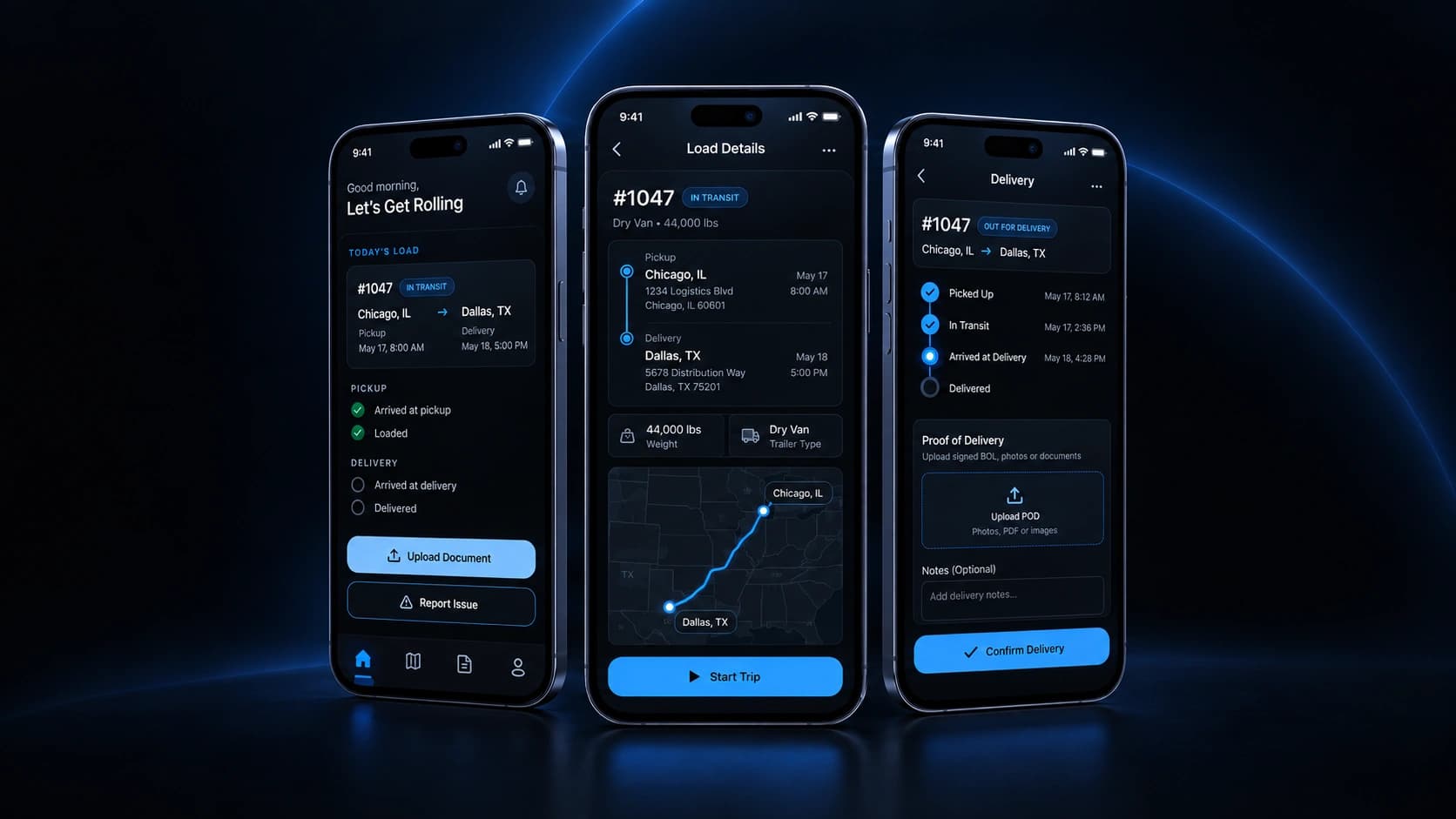
Documents & POD
Move Documents With the Load
Keep operational paperwork connected to the job instead of searching through emails, messages and folders.
- 01
Driver Delivers
- 02
Uploads POD
- 03
POD Attached to Load
- 04
Dispatcher Reviews
- 05
Load Completed
- 06
Billing Team Notified
Documents can include
- Rate confirmations
- BOL
- POD
- Receipts
- Photos
- Signatures
- Customer documents
Dispatch to billing
Turn Completed Jobs Into Billing Faster
A completed delivery can automatically trigger the next operational step instead of waiting for someone to manually move information between departments.
Integrations
Connect Dispatch With the Systems You Already Use
Your dispatch software can work alongside the technology already used by your fleet instead of forcing you to replace everything.
GPS & Telematics
- Samsara
- Motive
- Geotab
- Teltonika
Maps & Routing
- Google Maps
- Mapbox
- HERE
Accounting
- QuickBooks
- Xero
Fuel
- WEX
- EFS
- Supported fuel providers
Other Systems
- Existing TMS
- ELD platforms
- Customer systems
- Internal APIs
- Payment providers
Using something else?
Integration capabilities depend on each provider's APIs and account permissions.
See logistics integrationsDispatch Software for Different Transportation Operations
Custom dispatch platforms for trucking companies, brokers, 3PLs, courier fleets, and specialized carriers — built around how each operation actually assigns work.
Trucking Companies
Assign loads, trucks and drivers while tracking delivery progress and documents — the same scope we cover in custom trucking software.
Freight Brokers & 3PLs
Manage shipments, carriers, customers and operational status.
Courier Companies
Assign jobs quickly, manage drivers and monitor same-day deliveries.
Last-Mile Delivery Fleets
Manage routes, delivery stops, drivers, proof of delivery and customer notifications for last-mile delivery operations.
Dedicated Fleets
Plan recurring transportation operations and vehicle assignments — including fleet management software when vehicles sit alongside dispatch.
Specialized Transport
Build dispatch rules around equipment, permits, trailers, schedules or specialized cargo.
Show us how you dispatch today. We'll map it to custom dispatch software.
Let's discuss your requirementsPut loads, drivers, and billing in one platform
Show us how you dispatch today. We'll scope dispatch software around your workflow — not a generic product your team has to work around.
Discuss Your Dispatch Software Project$2K
starting custom dispatch software
10–14 wks
typical focused MVP timeline
You own it
source code after final payment
Start small
Start With Dispatch — Expand When You Need To
You don't have to replace your entire technology stack at once. Start with the dispatch workflow creating the biggest bottleneck and expand the system over time.
Phase 01
Dispatch
Phase 02
Driver App + Tracking
Phase 03
Billing + Customer Portal
Phase 04
Maintenance + Fuel
Outcome
Complete Operations Platform
The stack we use to build your dispatch software
We pick the architecture around your scale, integrations, and security needs — typically React, Next.js, React Native, Node.js, PostgreSQL, and AWS. U.S. logistics tools such as Samsara, Motive, Geotab, WEX, and QuickBooks are connected where those providers give API access.

HTML

CSS

JavaScript

React

Next.js
How We Build Your Dispatch Platform
Six phases from your current dispatch process to a working platform — with demos at every stage so you always know where the build stands.
Understand Your Operation
We review how loads are created, assigned, monitored and completed today — including the spreadsheets, calls, and tools your dispatch team actually uses.
Map the Dispatch Workflow
We define job statuses, assignments, user roles, business rules and integrations. GPS, fuel cards, and accounting connections are scoped around the APIs those providers actually give you.
UI/UX Design
Dispatchers review the workflow and interface before major development begins, so gaps get caught in design instead of after launch.
Development
We build the system in stages with regular demonstrations — dispatch board, driver app, documents, billing — so you see working software throughout, not a reveal at the end. Start with a discovery call if you want that plan in writing first.
Integration & Testing
We test assignments, driver workflows, notifications, tracking and real operational scenarios before go-live.
Launch & Improve
Deploy the first version and continue improving the system based on operational feedback — the same platform, not a replacement cycle.
Why Tvareet

Show Us How You're Dispatching Today
If your team is using spreadsheets, phone calls, WhatsApp, an existing TMS or several disconnected systems, show us how the workflow currently works. We'll help identify where dispatch can be simplified, automated or connected.
Get a free dispatch workflow review. Start with your fleet size, number of daily loads and how dispatch currently works. Prefer a scoped quote?Request a project estimate.
Frequently Asked Questions About Custom Dispatch Software
Availability, GPS tracking, driver apps, double-booking, customer portals, TMS integrations, phased delivery and cost.


Ready to talk about your dispatch software?
Show us how you dispatch today. We'll map a platform around your loads, drivers, and workflows — not a generic product your team has to work around.
Discuss your dispatch software project