Your dispatch team is still using WhatsApp groups at 2 PM to reroute drivers stuck in traffic. One customer just called for the third time asking for an update. Another shipment sits at the wrong depot because nobody caught the address mismatch in time.
This is not rare. It's the default for plenty of growing logistics operators who haven't built their own system yet.
logistics and transportation app development has moved from "nice to have" to survival tool for anyone serious about scaling deliveries without bleeding money on inefficiencies.
Why This Matters Right Now
Last-mile delivery costs have climbed sharply in the past two years. The market for it alone passed $177 billion globally in 2025 and keeps climbing fast. E-commerce volumes in places like India and the Middle East are pushing daily shipment counts higher while customer expectations for same-day or next-day service get louder.
Traditional carriers still relying on spreadsheets and phone calls are losing ground. Aramex built its edge by giving shippers and drivers one clean mobile experience for tracking, booking, and payments. You don't need their exact scale to steal the same advantage.
The global logistics market hit over $4.1 trillion in 2025. The slice that matters most for most companies — the last-mile piece — is growing at nearly 10% annually. That growth brings pressure. More orders mean more complexity. More complexity means every manual handoff costs you money and customers.
Here's the thing: the companies pulling ahead today aren't waiting for perfect conditions. They are shipping focused tools that solve the daily friction first.
Most logistics apps fail not because the tech is weak. They fail because nobody asked the actual drivers and dispatchers what breaks their day.
Look around your own operation. How many hours does your team spend chasing updates instead of moving freight? How often does a simple address error turn into a full reroute? That is exactly where a purpose-built logistics and transportation app starts paying for itself.
What Aramex Got Right (And What You Should Copy)
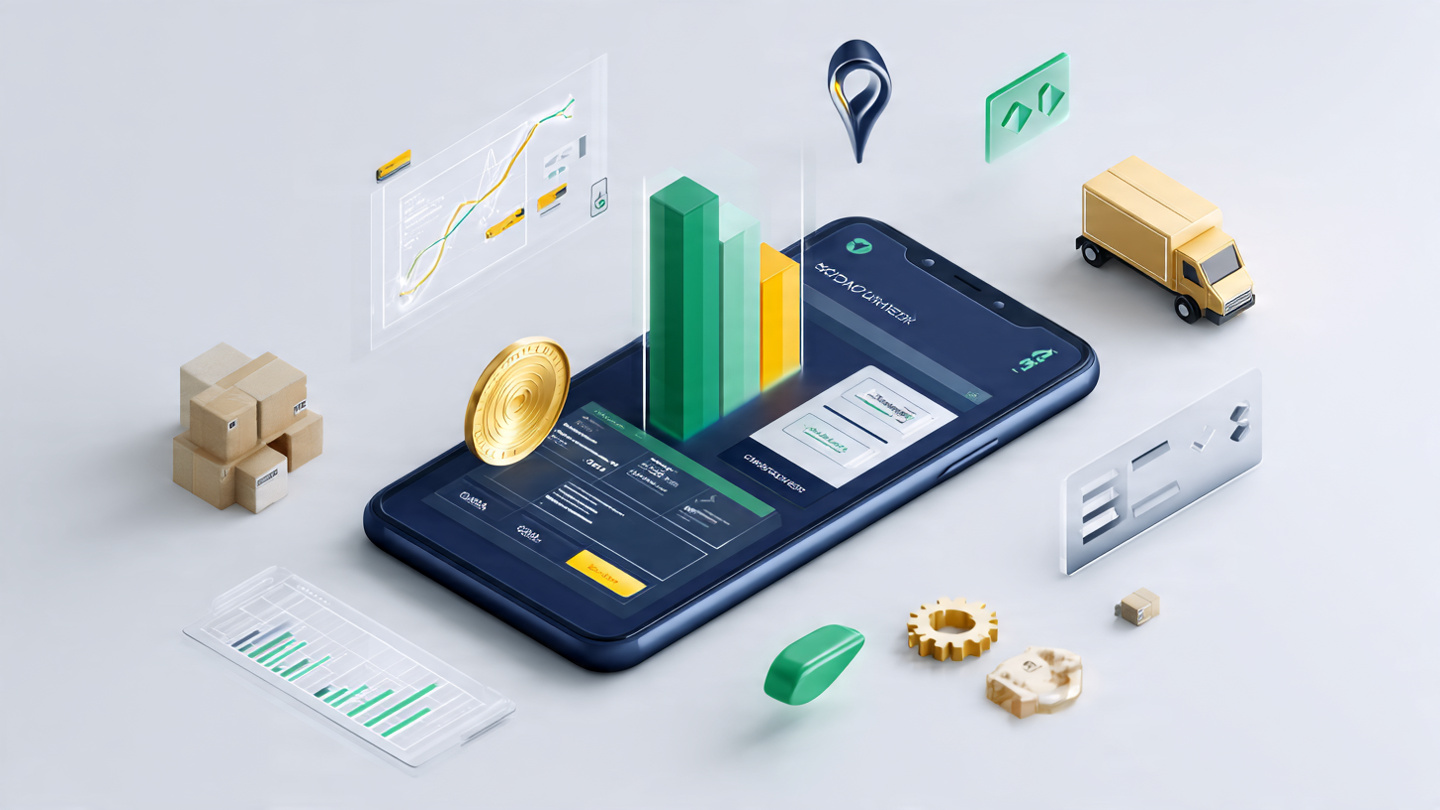
Aramex's customer-facing app lets users track shipments live, schedule pickups, calculate costs upfront, and handle payments without jumping between tools. Behind that sits solid operations infrastructure.
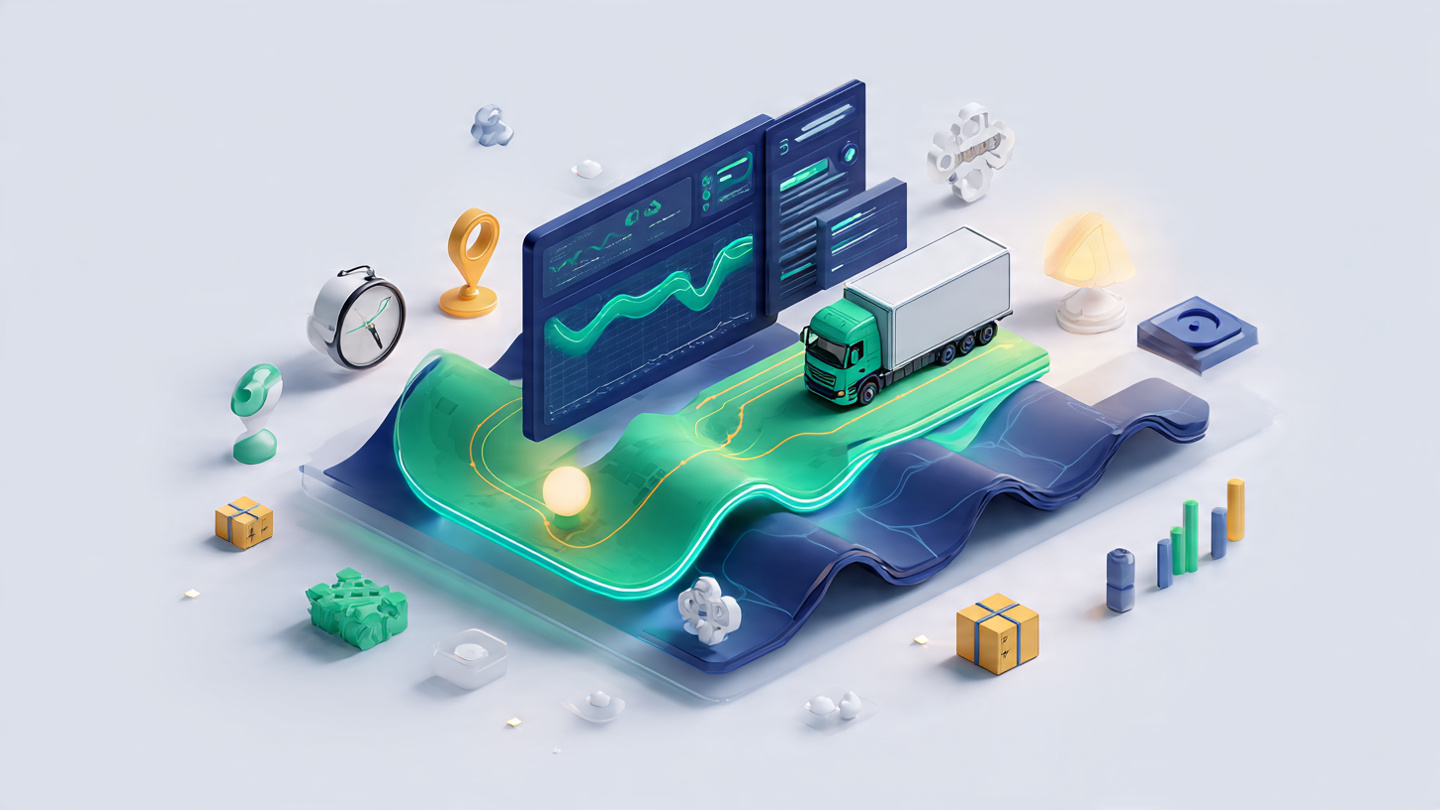
A strong Transportation Management System (TMS) does the heavy lifting: it matches orders to capacity, handles route planning, and keeps everyone updated without constant calls.
Core features you cannot skip if you want to compete:
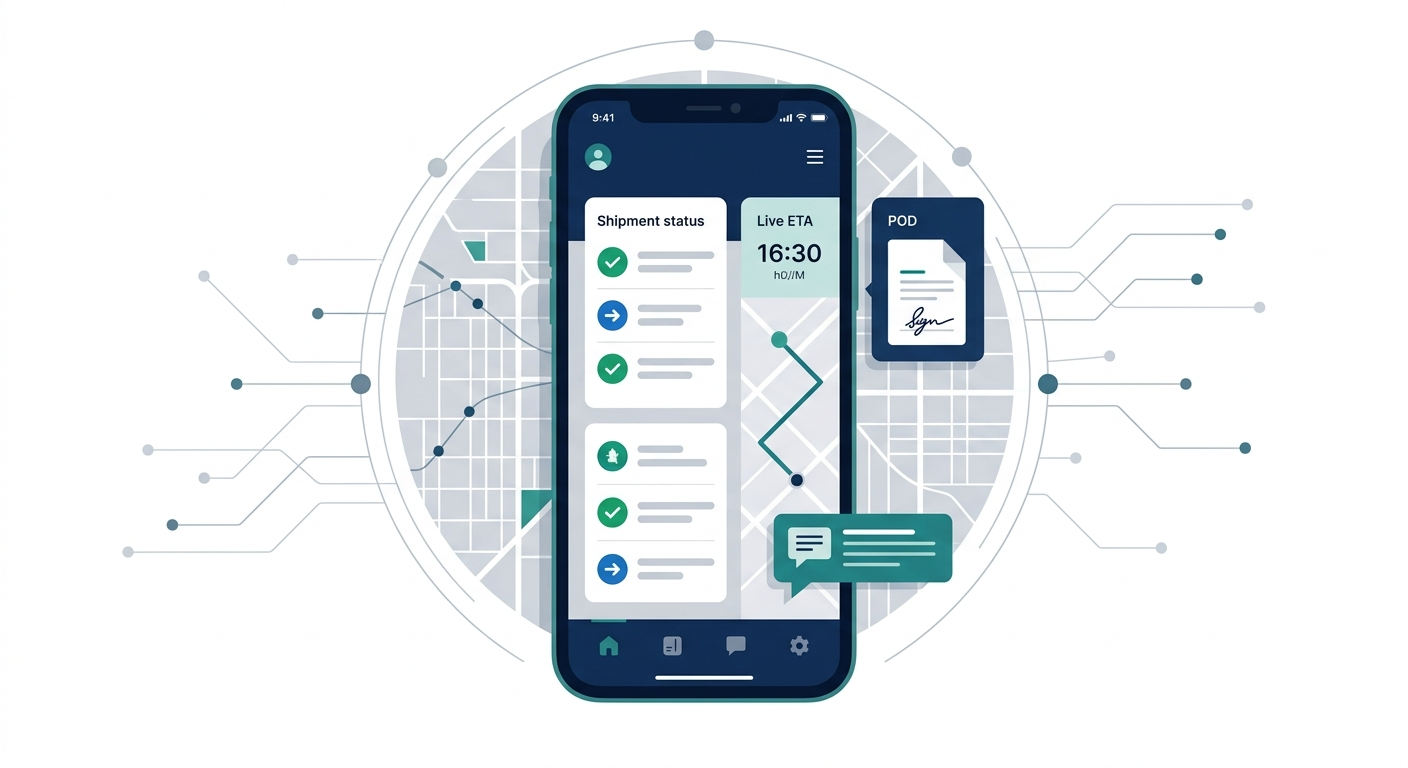
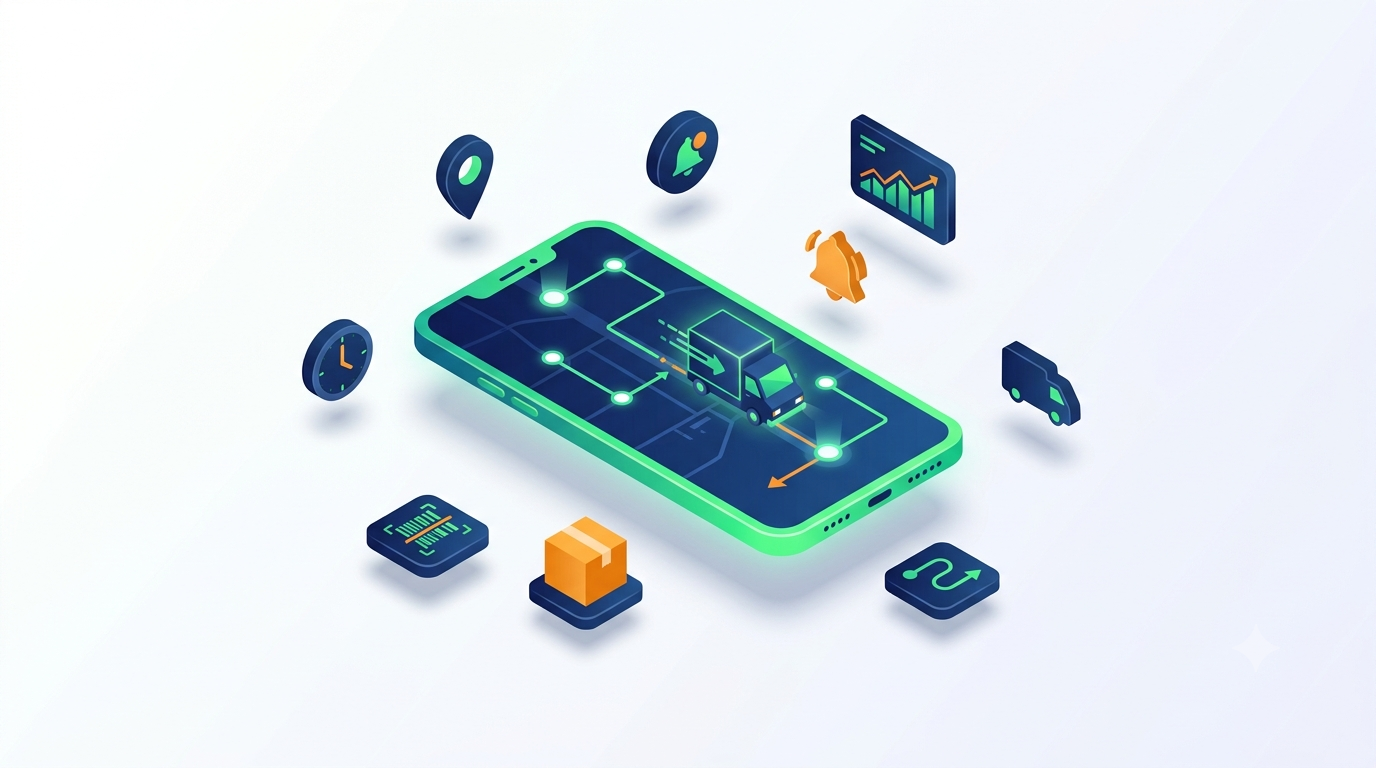
Real-time tracking that works on low-signal routes and updates drivers and customers automatically
Driver mobile app with proof of delivery, signature capture, and instant status changes
Order intake that pulls data from e-commerce platforms or your existing ERP
Automated alerts for delays, exceptions, and delivery windows
Cost calculator that factors weight, distance, service type, and any customs fees
Pickup scheduling that lets customers or warehouse staff book slots without calling
Admin dashboard showing fleet position, on-time performance, and revenue per route
Add route optimization only after the basics work. Start simple. A driver who can see his next three stops and confirm delivery in two taps beats a fancy analytics module nobody opens.
We see too many teams chase flashy features first. They build beautiful maps and then wonder why nobody uses the app. The truth is simpler: solve the pain that happens ten times a day before you solve the pain that happens once a month.
A Real Situation We See All the Time
Take a regional courier running 80-120 shipments daily across two states. They have 25 drivers, a small warehouse team, and one overworked dispatcher who still prints manifests every morning.
Customer service spends hours chasing status updates. Drivers waste fuel because routes get assigned manually based on gut feel. Returns pile up because nobody gets notified when a delivery is refused.
They tried bolting on third-party tracking tools. The data never matched. Drivers ignored the extra apps. Costs kept rising.
They decided to build their own focused logistics and transportation app instead. Not a full enterprise monster. A practical system built around their actual flows.
First version went live in four months. Drivers got a clean mobile screen. Dispatch saw every vehicle on a live map. Customers received automatic updates. Within six weeks, fuel spend dropped 12% on optimized runs. Customer complaints about "where is my order" fell by more than half.
The counter-intuitive part? They deliberately left out advanced features like predictive ETAs and AI rerouting in version one. They fixed the basics that were costing them money every single day. The dispatcher finally stopped working late nights. Drivers started finishing routes earlier instead of circling back for missed stops.
That is the pattern we see over and over. The operators who win are ruthless about what stays out of the first release.

Step-by-Step Process to Build It
You cannot copy-paste Aramex's stack and expect the same results. Their scale came after years of iteration. You need a tighter, more targeted approach.
Follow this sequence. Skip steps at your own risk.
1. Map every painful workflow first.
Spend two weeks shadowing drivers, dispatchers, and customer service. Document exactly how an order moves from booking to proof of delivery today. Note every phone call, every duplicate entry, every time someone guesses a route. This becomes your feature list. Anything not tied to a real pain point goes to the backlog.
We have seen teams skip this and build beautiful apps that solve problems nobody actually has. One client discovered that 40% of their "urgent" reroutes happened because the warehouse team had no visibility into driver availability. That single insight changed their entire first version.
2. Define the absolute minimum viable product.
Decide what version one must do and nothing more. For most operators this means: order creation, driver assignment, real-time tracking, basic notifications, and proof of delivery. Everything else waits.
The hardest part here is saying no. Your sales team will want every feature a competitor has. Your drivers will ask for things that sound good but add friction. Hold the line. Version one is about proving the concept works on your actual routes.
3. Design for the people who will actually use it daily.
Drivers spend most of their day on the road. The app must work with one hand, in sunlight, and on cheap Android phones. Dispatchers need fast filters, not pretty charts. Get wireframes in front of real users before any code is written.
Test the driver flow on actual devices in a moving vehicle if you can. You will catch things that look fine on a desk but fail in real conditions. We have killed more than one "obvious" button placement after watching a driver try to tap it while wearing gloves.
4. Pick your tech stack with longevity in mind.
Cross-platform mobile (Flutter or React Native) saves time if you need both iOS and Android. Backend on Node.js or Python with a solid database like PostgreSQL. Cloud hosting on AWS or Google Cloud for easy scaling. Pull in proven APIs early: Google Maps or Mapbox for routing, payment gateways like Razorpay or Stripe, and any carrier APIs you already use.
Avoid building your own mapping engine. You will regret it. Use battle-tested services and spend your energy on the parts that make your operation different.
5. Build in layers.
Start with backend services that handle orders, users, and tracking. Add the mobile apps next. Only then layer on integrations. Test every piece with actual data from your current operations.
This layered approach lets you show progress early. Your team can see real shipments moving through the system within weeks instead of months. That momentum matters when budgets get tight or people get impatient.
6. Run real-world pilots before full rollout.
Pick your most reliable drivers and one city. Run the app alongside the old process for two weeks. Fix what breaks. Measure actual time saved and error rates.
The pilot phase always surfaces surprises. One company discovered their drivers were entering the same address three different ways. The app forced standardization and cut address errors by 70% overnight.
7. Launch, measure, and iterate hard.
Track the metrics that matter: on-time percentage, driver adoption rate, support tickets per hundred shipments, and fuel cost per delivery. Use the data to decide what gets built next.
Do not measure vanity numbers. "Number of logins" tells you nothing. "Average time from delivery scan to next assignment" tells you everything.
8. Plan for ongoing support from day one.
A logistics and transportation app is never finished. You will need regular updates for new regulations, new carriers, and changing customer expectations. Budget for it.
Build a simple feedback loop inside the app itself. Drivers and dispatchers will tell you exactly what to fix next if you make it easy for them.
How Much This Actually Costs in 2026
Costs vary wildly depending on how custom you go and where you build. Offshore teams in India or Eastern Europe can cut the bill significantly compared to US or Western Europe rates.
Here is a realistic breakdown for different scopes:
Phase | Basic MVP (Core tracking + driver app) | Moderate App (Adds route optimization + integrations) | Full TMS-style Platform |
|---|---|---|---|
Discovery & Requirements | $4,000 – $8,000 | $8,000 – $15,000 | $15,000 – $25,000 |
Design & Prototyping | $8,000 – $15,000 | $12,000 – $25,000 | $25,000 – $40,000 |
Development (Frontend + Backend) | $20,000 – $35,000 | $35,000 – $65,000 | $70,000 – $120,000 |
Integrations & Testing | $6,000 – $12,000 | $12,000 – $25,000 | $25,000 – $45,000 |
Deployment & Training | $3,000 – $6,000 | $5,000 – $10,000 | $8,000 – $15,000 |
Total | $41,000 – $76,000 | $72,000 – $140,000 | $143,000 – $245,000 |
Add 15-25% of the initial cost every year for maintenance, bug fixes, and feature updates. Cloud infrastructure and third-party APIs add another $300-1,500 per month once you have real volume.
If your operation is still under 50 shipments a day, start at the basic MVP level. You can always expand later once the tool proves it saves money.
One thing most people underestimate: the cost of your own team's time during the project. Plan for at least one operations person to spend 10-15 hours a week on requirements, testing, and feedback. That time is what makes the difference between a generic tool and one that actually fits your business.
Objections We Hear (And Straight Answers)
"But we can just use Aramex or another big carrier's platform."
You can. Until you want your own branding, your own pricing logic, or tighter control over data. Many operators discover they lose visibility and customer relationships once they hand everything to a third party. Your margins get squeezed when the carrier controls the customer experience.
"Our team isn't technical."
Good. That is exactly why you hire specialists who have built these systems before. The best projects we see involve the operations manager and one driver on every major decision, not the IT person alone. Your domain knowledge is the secret sauce. The developers bring the execution.
"We already have a basic tracking tool."
Most of those tools only show where the vehicle is. They do not connect booking, routing, payments, and exception handling in one flow. That gap is where money leaks. We have seen companies replace three different tools with one integrated logistics and transportation app and cut their monthly software spend in the process.
"Custom development will take forever and cost too much."
A focused MVP does not take forever. We regularly see working pilots in under five months. The real cost comes from doing nothing and watching your competitors pull ahead on service levels while your costs keep rising.
FAQ
How long does it take to build a working version?
A focused MVP with real-time tracking and driver tools usually takes 12 to 20 weeks from kickoff to pilot launch. Rushing it almost always creates more problems later. The companies that move fastest are the ones who spend the first two weeks mapping workflows properly instead of jumping straight into code.
Do I need to integrate with every carrier from day one?
No. Start with the ones that move the majority of your volume. Add others as you grow. A clean API layer makes this much easier later. We have seen operators launch with two carriers and add the third within eight weeks once the core system proved stable.
What if drivers refuse to use the new app?
This happens when the app makes their job harder. Involve them early. Make the first version remove steps instead of adding them. Give them a reason to open it every time they finish a stop. Adoption follows when the tool actually helps them finish shifts faster. One client gave drivers a small bonus tied to on-time scans for the first month. Usage hit 95% within two weeks.
Can this work if we're still mostly paper-based?
Yes. In fact, that is often the best starting point. The switch from paper to digital usually delivers the biggest immediate wins in visibility and error reduction. Start with the paper-heavy parts of your process. The rest follows naturally.
The Bottom Line
You do not need to replicate Aramex's entire operation. You need a tool that removes the daily friction your team already feels.
Build for the driver first. Make last-mile delivery visible and predictable. Then layer on the rest.
The operators who win are not the ones with the biggest budgets. They are the ones who ship something useful, watch how it performs on real routes, and keep improving.
Ready to stop guessing and start building something that actually moves the needle?
Talk to our team for a no-pressure walkthrough of what a focused logistics and transportation app would look like for your exact operation. We'll map the real workflows, flag the quick wins, and give you a clear cost and timeline before you commit to anything.
Book your 20-minute discovery call today. The next delayed shipment does not have to be your problem. Let's fix the one that is costing you money right now.