Your dispatcher is on hold with a Target distribution center in San Antonio right now, arguing over three hours of detention time. The driver swears he got there at 7:40 AM. The receiving clerk says their system shows 9:15 AM. Nobody has proof either way. That $225 disappears into thin air, and it happens again tomorrow, on a different dock, with a different driver.
If this sounds familiar, you already know the real problem in trucking isn't the trucks. It's the paper trail. Or more accurately, the lack of one.
Why This Is Blowing Up Right Now, Not Five Years Ago
ELDs became mandatory back in 2017. So why are fleets ripping out their old boxes and switching to platforms like Samsara in 2024 and 2025, years after the compliance deadline already passed?
Three things collided at once. First, freight margins got brutally thin after the 2022 to 2023 rate crash, and carriers can no longer afford to write off unpaid detention as a cost of doing business. Second, insurance premiums for trucking companies have climbed by double digits almost every year, and underwriters are now demanding real safety data, not just a clean CSA score on paper. Third, big-box retailers tightened their routing guides. Walmart, Target, and Home Depot now expect automated, system-verified arrival and departure timestamps before they will even consider you a preferred carrier.
Here's the blunt version: the compliance-only ELD you bought in 2017 was never built to survive the operational demands of 2025. It logged hours. That's it. It didn't talk to your dispatch system, it didn't prove detention, and it definitely didn't feed data into anything your customers actually cared about.
A Tuesday in Laredo: How One Load Turns Into a $225 Argument
Let me walk you through a scenario that plays out at cross-border carriers running the Laredo to San Antonio corridor almost every single day.
Picture a 140-truck dry van fleet based out of Laredo, Texas, hauling freight across the Nuevo Laredo border and up into central Texas distribution centers. This carrier runs a solid Truck Dispatch Software Development setup built on McLeod's LoadMaster, which handles their load planning and billing. But their ELDs are older hardware bought purely to satisfy the FMCSA mandate back when AOBRDs got phased out. No geofencing. No automatic arrival capture. Just Bluetooth-tethered boxes that log hours and nothing else.
A driver pulls into the Target import DC in San Antonio at 7:40 AM. The dock is backed up. He waits. And waits. He finally gets loaded and rolls out at 11:10 AM. That's three and a half hours of detention on a lane that only pays two hours free.
Here's where it falls apart. The driver texts dispatch "I'm here" at 7:40. Dispatch is buried in calls and doesn't log it into McLeod until later that afternoon. The EDI 214 status message, the one Target's Blue Yonder system uses to track shipment milestones, goes out late and shows a vague timestamp that doesn't match what Target's own dock system recorded. When billing tries to invoice detention, Target's team pushes back with their own numbers. No geofence data. No system-verified proof. The carrier eats the loss.
Multiply that by a fleet. If even 15 percent of this carrier's 420 weekly loads run into a detention dispute like this, that's roughly 63 loads a week losing an average of $225 each. That's $14,175 a week, or close to $680,000 a year, walking out the door because nobody could prove what time the truck actually showed up.
And it doesn't stop at detention. Every late departure cascades into the next appointment. A 2 to 3 percent drop in OTIF doesn't sound dramatic until you realize Walmart's routing guide can trigger a chargeback worth up to 3 percent of the shipment's total value for non-compliant loads. On a $50,000 truckload, that's $1,500 gone, not because the freight was damaged or wrong, but because the system couldn't prove when the truck arrived.

What Actually Changes With a Platform Like Samsara
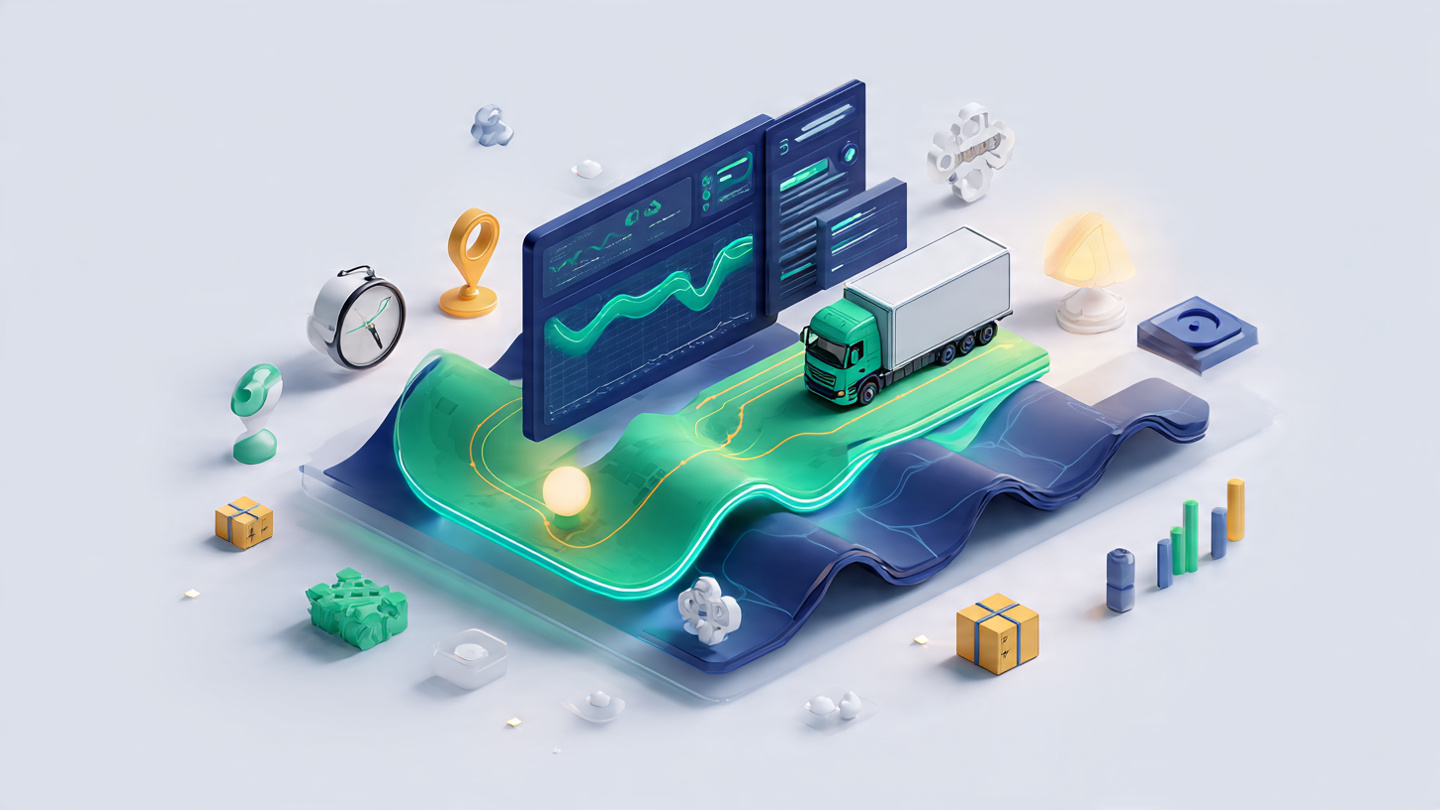
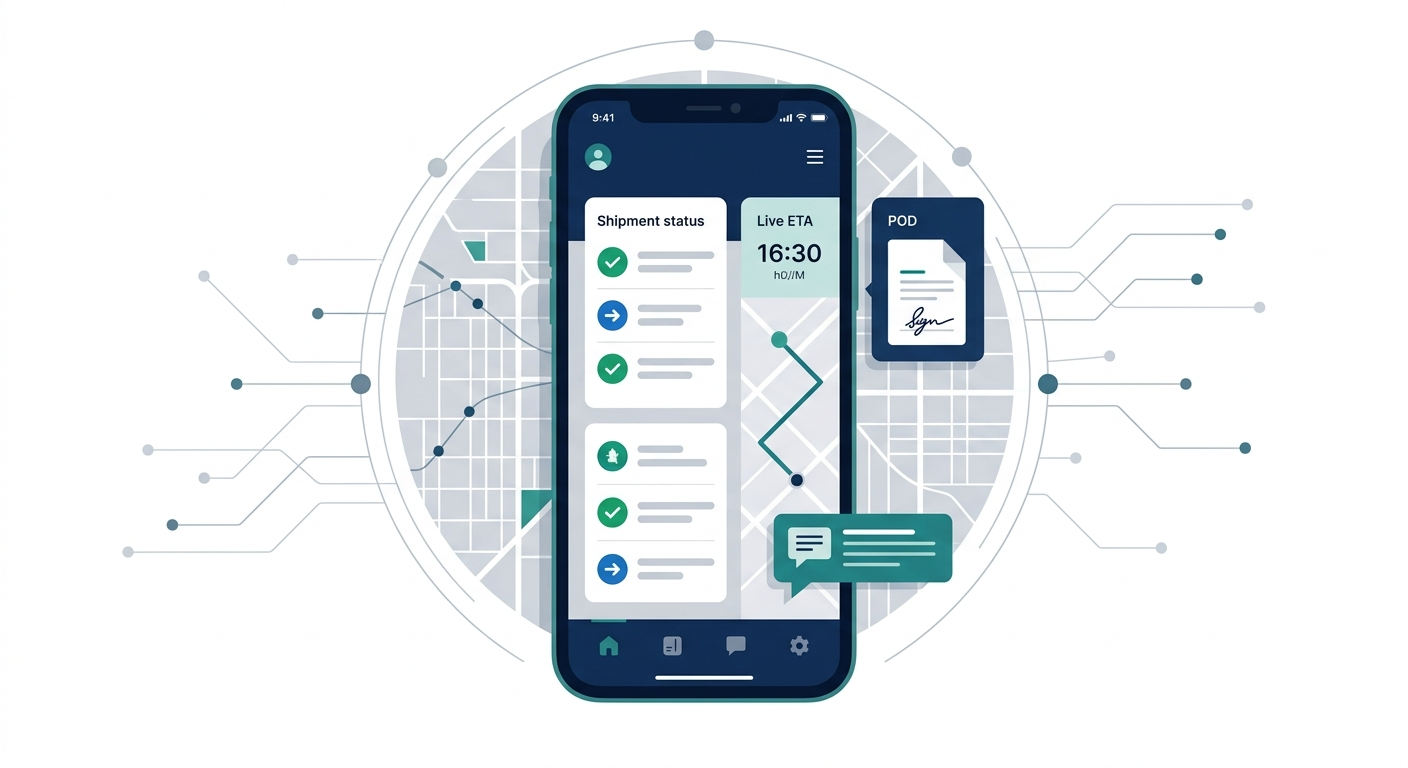
This is where modern ELDs stop being a compliance checkbox and start being an operational tool. Samsara and platforms like it use GPS geofencing to automatically stamp arrival and departure times the moment a truck crosses into a facility's radius. No text messages. No manual entry. No "he said, she said" with the receiving clerk.
That geofenced timestamp feeds straight into your TMS Software Development integration, whether that's McLeod, TMW, or a custom-built system. Detention gets calculated automatically. The EDI 214 goes out with a verified timestamp that matches what the shipper's Oracle Transportation Management or Blue Yonder system captured on their end. Disputes drop because both sides are looking at the same data.
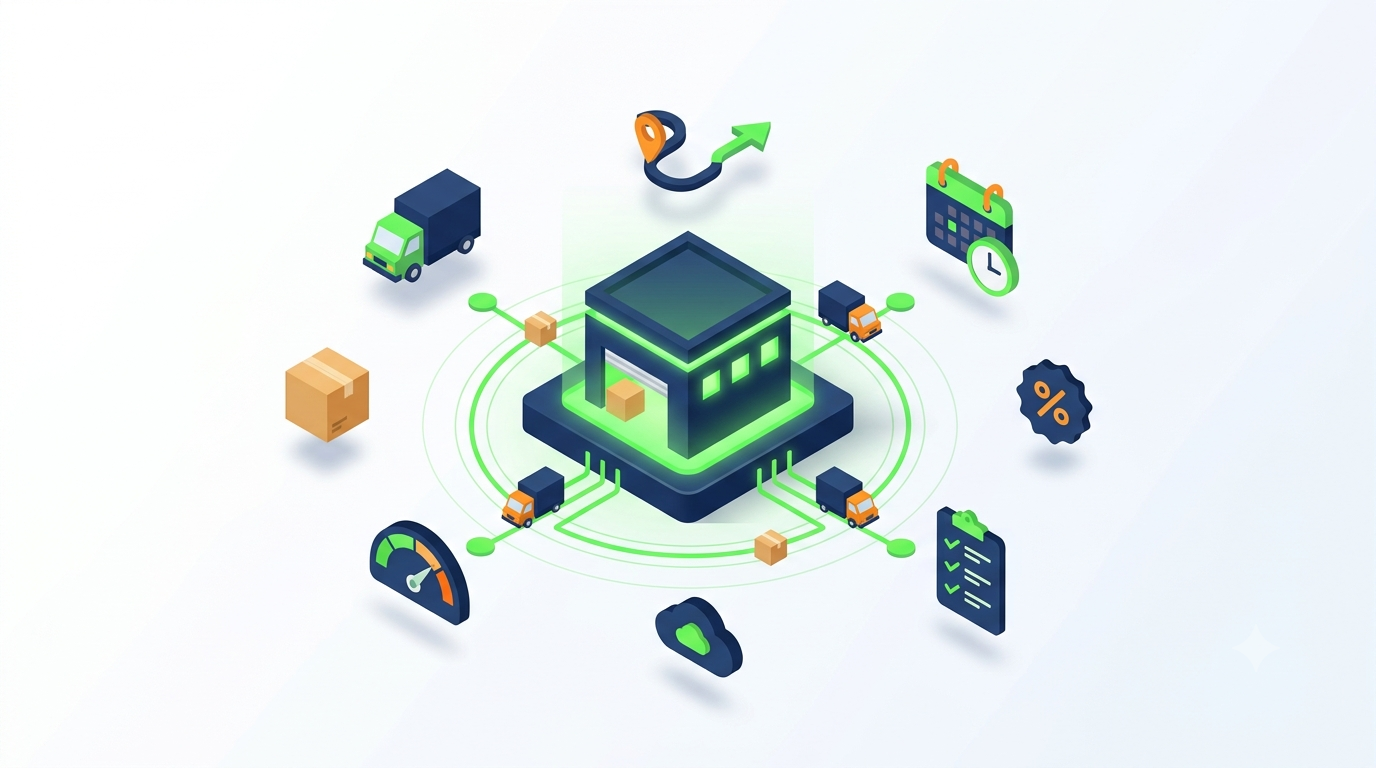
This is the part most carriers miss when they think about switching. It's not really an ELD upgrade. It's a Fleet Management Software Development decision that touches billing, dispatch, safety, and customer relationships all at once.
Pattern interrupt: The box on the dashboard was never the point. The data pipeline behind it was always the real product.
Here's What Nobody Tells You About Driver Pushback
Every logistics director I've talked to raises the same objection before they switch. "My drivers already hate being tracked. Add more monitoring and I'll lose half my fleet to a competitor with looser rules."
I get the fear. But it's backwards.
Counter-intuitive insight: more accurate tracking actually improves driver retention, not the other way around. Drivers don't quit because a system knows where they are. They quit because they get blamed for things they can't control, like a dock that made them wait four hours with no proof to back them up. A platform that automatically documents detention time protects the driver just as much as it protects the company's revenue. When a driver knows the system has their back on a pay dispute, that builds trust. Drivers who feel like the company backs them with real data tend to stick around longer than drivers stuck fighting for every disputed hour on their paycheck.
Combine that with the fact that driver turnover at large truckload carriers still sits close to 90 percent industry-wide, and replacing a single driver costs a carrier somewhere around $9,000 once you count recruiting, onboarding, and lost productivity during the gap. Anything that reduces friction between drivers and dispatch has a direct dollar value attached to it, even if it never shows up on a detention invoice.
Your Step-by-Step Playbook for Switching Without Blowing Up Operations
Switching platforms mid-year feels risky, and it should be handled carefully. Here's the sequence that actually works for fleets making this move without grinding operations to a halt.
Start by auditing your current data silos. Pull one month of dispatch logs and detention invoices side by side, and count how many loads had disputes that could have been avoided with a timestamped geofence. This number alone usually justifies the entire project to finance.
Next, check integration compatibility before you sign anything. Ask the ELD vendor directly whether they have a built API connection to your existing TMS, whether that's McLeod, TMW, or a system you built in-house. If the answer is vague, that's your warning sign. This is exactly where Legacy Application Modernization Services come into play, because most of these integration headaches trace back to old systems that were never designed to talk to modern APIs in the first place.
Run a small pilot with 10 to 15 trucks on a single lane before you commit the whole fleet. Watch how detention capture, EDI transmission accuracy, and driver adoption play out over 30 days. Train your dispatch team on the new automated workflow so they stop manually re-keying arrival times, because that manual step is exactly where errors and delays creep back in even after you upgrade the hardware. Once the pilot proves out, roll out fleet-wide in phases by terminal, not all at once, so your support team isn't drowning in onboarding tickets. Finally, loop in your insurance broker once you have 90 days of safety data, because carriers using integrated ELD and dashcam data have seen renewal premiums come in 10 to 15 percent lower once underwriters can see real driving behavior instead of estimating risk from a clean paper record.
If your company runs custom dispatch tools or a homegrown TMS, this whole process usually benefits from proper Trucking Software Development support rather than trying to force a generic integration through a vendor's basic API documentation.
FAQ
How is Samsara any different from the cheap ELD we bought just to stay legal in 2019
The 2019 box logged hours and nothing else. Samsara and comparable modern platforms add GPS geofencing, automatic dwell time capture, dashcam safety data, and direct API connections into your TMS. The old box kept you legal. The new platform actually pays for itself through recovered detention revenue and lower insurance premiums.
We already spent six figures on our TMS, why would we spend more to bolt on hardware
You're not replacing your TMS, you're finally making it work the way it was supposed to. Right now your TMS is only as good as the manual data your dispatchers feed into it. Connecting it to a modern ELD removes that manual bottleneck and turns your existing TMS investment into something that actually captures the revenue you're currently losing to unproven detention claims.
What happens to all this data if your integration breaks or Samsara has an outage
Any vendor worth using should offer offline data caching on the hardware itself, meaning HOS and location data still get recorded and sync once connection restores. Ask any provider directly for their uptime history and their data recovery process before signing a contract. If they can't answer clearly, that tells you everything you need to know about how they'll handle a real outage.
Ready to See What You're Actually Losing
Stop guessing how much detention revenue is slipping through your dispatch board every week. Book a free 20-minute audit call, bring one month of your load and detention data, and we'll show you exactly where the gaps are and what a proper integration between your ELD and your TMS could recover for your fleet.